Be yourself; Everyone else is already taken.
— Oscar Wilde.
This is the first post on my new blog. I’m just getting this new blog going, so stay tuned for more. Subscribe below to get notified when I post new updates.
Be yourself; Everyone else is already taken.
— Oscar Wilde.
This is the first post on my new blog. I’m just getting this new blog going, so stay tuned for more. Subscribe below to get notified when I post new updates.
According to the accessible data from the Food and Drug Administration (FDA), certolizumab pegol, or CIMZIA (brand name), is a type of drug that involves a monoclonal antibody. Since the mid-1970s, drugs that take advantage of monoclonal antibodies have been growing in numbers. To say that advancements in modern medicine are quite astonishing is an understatement. The world of medicine is always changing. There are constantly new drugs and treatments in development and going through clinical trials in order to be approved for public use. While we do not get to see what is going on during different phases of drug development, it is implied that it is a rigorous process and that everything that is done is in line with the regulations that the U.S. Food and Drug Administration has set forth.

According to an article from MedicineNet, monoclonal antibodies for a particular antigen are known to have the same molecular make-up, such as variable region and constant region of the molecule. Moreover, they come from the same type of B cell clone. These antibodies are more specific in their response because all of the monoclonal antibodies from a particular B cell can only bind to one specific epitope. Monoclonal antibodies are different from polyclonal antibodies because polyclonal antibodies come from a number of different B cells. Each of these B cells are reacting in their own way to different epitopes that are found on the antigen. Working with drugs that involve monoclonal antibodies allow researchers and drug developers to have more control over the response that the drug can elicit.
According to the accessible data from the Food and Drug Administration (FDA) (mentioned in the first sentence of the blog), certolizumab pegol, or CIMZIA (brand name), is a type of drug that involves a monoclonal antibody. Specifically, the monoclonal antibody in the drug has the ability to target and attach to a tumor necrosis factor (TNF). TNFs are a type of pro-inflammatory cytokine. By binding to this TNF, specifically TNFα, the antibody can scale down, or even prevent inflammation (and other issues that are related to inflammation) that is brought about by this TNF. For example, for an individual who has Crohn’s disease (a type of inflammatory bowel disease), this drug can help alleviate the objective and subjective effects of the disease in a patient. Moreover, these can include abdominal pain, diarrhea, and fever. CIMZIA is known to impact the actual immune response because inflammation occurs in individual’s with Crohn’s disease, which involves TNF. This inflammation can be caused when the immune system seeks out non-pathogenic bacteria that is found throughout the body (mainly in the gut!). Specifically, this monoclonal antibody negatively impacts the innate response by reducing its effects (which in a way is also a positive effect for us because the immune system was targeting harmless bacteria, which we do not want!). TNF is mainly involved in the innate immune response.
As with all drugs and treatments, CIMZIA has the potential to cause side effects in the individual that is taking the drug. These include:
With these side effects, it is important to discuss why they might occur. An allergic reaction may occur in an individual because there is natural rubber in the cap of the syringe that could cause an allergic reaction in those that do not react well with latex. In addition, neurological problems, such as inflamed eye nerves and seizures, can result from this drug because it could make the inflammation worse instead of reduce it (depending on the person), affecting the sensitive components of the body, like the nerves. While the disease does mainly target the gastrointestinal tract, it can also affect the eyes because it consists of tissue that is very similar to that found in the gastrointestinal tract. The drug can also cause an imbalance to the electrical activity that is going on in the brain, resulting in a seizure. Heart failure is a potential side effect because CIMZIA may overwork and damage the heart, depending on how hard the heart muscle has to pump the blood throughout the body. Moreover, in some cases, the body may not be able to quickly produce these blood cells that are needed, resulting in blood problems. Due to this issue, signs and symptoms, such as diarrhea and abdominal pain can get worse, because there is not a sufficient number of blood cells needed to combat the disease fully and effectively. In addition, UTIs and URIs are more likely to occur because the patient is now immunosuppressed, and their lymphocytes are preoccupied and are not able to deal with other incoming pathogens well.
This drug has the ability to make individuals susceptible to other disease infections, including those that the individual may have already recovered from (or thought they did). With this drug, Hepatitis B virus that is already present in the blood has the ability of becoming activated again. Because this drug has the ability to subdue the immune response, it is easier for the Hepatitis B virus to make a comeback and infect the individual again. Therefore, it is highly recommended that individuals should be tested to see if they are positive for Hepatitis B before they are given CIMZIA. Cancers, such as lymphoma, can result from this drug. The lymphocytes could be overworked and released in large quantities, resulting in a higher chance for something to go wrong within one of these cells. It is important to note that one of the main causes of lymphoma is that the growth of lymphocytes exceeds abnormal levels.
Prior to completing research on the topic of monoclonal antibodies, I was not aware that drugs ending in “-mab” indicate ones that involve an antibody! I previously interned at a pharmaceutical company and many drugs ended with those letters. While I did not learn the exact mechanism behind the drugs, I can better group them together now and see their common function. While these drugs have relieved many patients of the effects of Crohn’s disease, it is quite scary to see the risks that these patients have to take while on the medication as well. For example, potential adverse effects that deal with the heart and nerves, two of the most important components of the body in my opinion, can make the patients’ health even worse than before. Luckily, if the FDA has approved it, then that means that patients should be carefully chosen to take this medication in order to show significant progress in alleviating the effects of Crohn’s disease.
In addition, according to an article specifically detailing CIMZIA from MedicineNet, researchers reported that this medication should be administered via an injection. Specifically, the drug should be administered into the abdomen and/or thigh. If the patient responds favorably to this medication, then injections are essentially given each month. Currently, it is unknown regarding the safety of CIMZIA for individuals who are pregnant. However, for now, it is probably best to avoid this medication if possible, if that is the case. Therefore, the only way that an individual could get his or her hands on this medication is through a prescription (probably for the best).
Learning about how a drug is administered to a human is quite fascinating to me. There is always a reason why something is done, especially in the world of medicine. It makes sense that the drug would be directly injected into the abdomen and/or thigh, because those are the places in which the inflammation occurs. In addition, while CIMZIA has been approved by the FDA, it shows that there is still much to learn about each and every drug out there. While we do know many things about the human body, it is made up of many complex systems that we have yet to discover everything about. These aspects of medicine contribute to why I am so drawn to studying medicine and helping others. The world of modern medicine has yet to see a dry day!
Four months into 2020 and it already feels like 5 years have passed us by. Many of us had chosen to go into quarantine over a month ago (myself included). Remote learning is about to hit its first anniversary for many Carolina students this upcoming week. A lot has happened in the last month , to say the least. Even with everything that is happening at the moment with the coronavirus pandemic, it is important to recall other instances in which a pathogen has disrupted way of life and learn from them. There are even epidemics of certain diseases that are still present in the world. Remember the Ebola epidemics? You may not have heard that name in a while, but guess what? They are still present in the world today.

According to an article from The New York Times, what was thought to be the end of the epidemic of the Ebola virus in the Democratic Republic of the Congo turned out to be a false celebratory event for many. At the beginning of April, there was only one individual who was still infected with the virus. However, it was reported that another individual was recently diagnosed with the disease in one of the cities of the Congo, Beni, 10 days into April. This epidemic has been present in the country for approximately two years (TWO!!). Many healthcare professionals are worried that if this sort of pattern keeps on reoccurring, it may take much longer to get rid of the virus once and for all in that area of the world. It is mainly passed from one person to another through the blood and other bodily fluids. Even as an infected individual has recovered from the disease, the virus can still be present in the blood and other fluids of the body. Signs and symptoms can include muscle pain, fever, headache, and even internal bleeding. With the rise of the presence of the coronavirus in that area, as well as in countries surrounding it, the turnout can be detrimental to the country, which has already felt the pressure of the Ebola virus for the last two years. Another 42 days (at least) will need to be added onto this epidemic timeline – that is, if the number of new cases stays put at zero.
From an outsider’s point of view, this news is quite alarming. The fact that they have been battling this virus for almost 2 years now is such a scary notion. While this may be because the Democratic Republic of the Congo is one of the least developed countries in the world, it shows us how bad the spread of a virus could become for people in other parts of the world. The Congo also has a very fragile government, which could be one of the contributing factors to why the situation the country is in has been getting better very slowly. We are considered really lucky here in the United States – conditions are much cleaner and there are resources and medical equipment that are present for individuals to use if they need to (for the most part). Let us not take that for granted!
According to an article from the Médecins Sans Frontières (or known to us as Doctors Without Borders), the Democratic Republic of the Congo has dealt with ten disease outbreaks, including the current Ebola epidemic taking place, in less than 50 years. There have been over 3,000 individuals who have reported to be infected since the beginning of this particular epidemic. It is extremely difficult to track down who had or had not been in contact with an infected individual because there was inaccurate reporting. Other countries in Africa, such as Uganda, had reported new cases back in 2019. However, since 2020 has began, there have been no reports of any additional individuals who have been infected. Within the last six months, security has been an issue and has lead to individuals who have been fighting the Ebola epidemic through the Doctors Without Borders program to have to leave the area. Back in December of 2019, the military personnel started appearing in hospital settings, making a lot of individuals, including doctors, feel unsafe, forcing them to withdraw from their programs in the country. The current Ebola epidemic in the Democratic Republic of the Congo, or the Kivu Ebola epidemic, marks one of the largest Ebola epidemics in the history of the world.
As we can see from the last six months in the Democratic Republic of the Congo, tensions have been growing throughout the country surrounding the Ebola epidemic. The fact that there are members of the military force present in a place to treat sick people is quite frightening. I believe the efforts to combat the virus would be much more effective and efficient if the government was not so unstable. Now, one of the things that healthcare professionals are worried about now is not only their safety, but also the safety of the individuals in this country because of the impending rise of coronavirus cases. It seems like the country has never gotten a break from disease outbreaks in the last two years. In a way, the work of a healthcare worker is never done. I believe it is possible for the Democratic Republic of the Congo to rid its country of the Ebola virus once and for all because it was possible to do that in Uganda, which was involved with this epidemic at the same time as the Congo. However, how long that will take is up to the virus.
Tensions are high as the race to finding new information concerning the coronavirus continues throughout the world. Scientists and researchers have been constantly working in order to find anything, big and small, that could change the course of this pandemic. There are many tests that are in development that can test for the presence of the genetic material of this pathogen. However, some tests have taken advantage of the level of antibodies present in the blood during or after an immune response in order to detect if there is or was a viral infection in a patient. This could be the next big step in combating this disease.

As we learned in class, the immune system is one of the most vital systems of the body. When an individual has only IgM antibody titers, that means that that person is currently infected or was recently infected because these antibodies usually show up a few days following infection. In addition, when someone has both IgM and IgG antibody titers, this means that that person currently has the infection and is able to spread it to other people, while the immune system is trying to fight it off. When an individual primarily has only IgG antibody titers, it means that he or she has had the infection before and/or is immune to it and has recovered from it. Moreover, if we could determine who was IgG positive, we could detect who has recovered from the disease and made antibodies to fight off the pathogen upon subsequent exposure. They should not be able to infect others. Their antibodies can even be helpful to others who currently have or have yet to be infected.
According to an article from Live Science news website, scientists are currently looking into tests that highlight what types of antibodies are present in the blood, as well as how much of each is present. At the beginning of April, Cellex Biotechnology Company received the green light from the Food and Drug Administration (FDA). Their authorization of the serological test from Cellex would give people the opportunity to see whether or not they have had the infection and are in the recovery stage. Essentially, droplets of one’s blood will be placed on a strip within a device and will be examined in a lab. This test mainly detects IgG and IgM antibodies. Initially, IgM antibodies will show up early on in the infection. IgG antibodies are more abundant following the wave of IgM because they take a longer period of time to be made. An individual who has recovered from the infection or is dealing with the infection at the moment of the test will show IgG antibodies in his or her blood. As far as we know, the test is supposed to provide individuals with information as little as 15 minutes after taking the test. Due to its ability to produce an informative view of an individual’s immune system, antibody testing is extremely crucial to have in today’s day and age.
When coronavirus testing comes to mind, I think of only the types of tests that identify whether or not an individual is infected at the moment that they take the test. However, I now understand that it is just as important to have the ability to determine whether individuals had once been infected with the coronavirus. This is of utmost importance because some people have asymptomatic or mild symptoms, so they may have not been truly identified before as someone who has been infected with the coronavirus. Learning extensively about the importance of antibodies in the immune system has allowed me to understand that antibodies can have so many uses to them. It makes me wonder if there are any other potential tests that could be helpful in this matter besides diagnostic tests and antibody tests.
According to an article from Stanford Medicine News Center, researchers have been working non-stop in order to make a test that has the ability to report what antibodies are present in an individuals’ blood. To measure antibodies in the blood, enzyme-linked immunosorbent (ELISA) plates are used. This type of testing is known as serological testing because it analyzes the content in the serum of the blood. This particular test has the ability to recognize IgG antibodies and IgM antibodies. During the immune response, IgM antibodies are known to show up before IgG antibodies do. It is important to note that their numbers decrease rapidly after appearing early on. Concerning IgG antibodies, they take more time to appear in the immune response and their numbers tend to linger for a longer period of time. Overall, this means that the test can provide a positive or negative result for IgM antibodies or IgG antibodies. While other researchers throughout the world are also trying to make tests that detect antibodies in the blood, it has been reported that it is unknown whether they are really effective or not. That is why there are so many people working on creating just serological tests! What is unique about the serological test is that it can identify individuals who have contracted the infection but are only showing mild symptoms or no symptoms at all. It can be of use when determining the effectiveness of the antibodies and its immune response in someone who has already been infected as well.
The rate at which tests and and trials are developing has blown my mind. While I wish the United States would have started earlier on developing tests for the coronavirus, I am still astonished by the work that researchers and scientists not only in the United States, but also throughout the world have accomplished in such a short span of time. Prior to studying microbiology, I did not know that it was possible to detect antibodies in the blood and even gauge the span of time that the antibodies of an infected individual can give them immunity for. It is quite astonishing to me that antibodies from a once infected individual may serve as a potential treatment for someone who has a mild infection. The process in order to develop and get a vaccine approved could take many months, and even last at least a year. In the meantime, these serological tests serve as vital ways of testing while we wait on a vaccine to be approved.
While there have been many advancements in our efforts to devise tests for the public, there is still much to do. Besides social distancing and keeping a good personal hygiene, we must stay positive and find ways to be accurately informed! There is a lot of news out there and now is not the time to be misinformed. While we may feel helpless against this virus, we need to act safely and rationally, not only for ourselves, but also for the healthcare professionals in the community risking their lives every single day so that people can get better. Stay safe and healthy everyone! ❤
It is no surprise that COVID-19 has taken over our conversations, news, and even social media. There are constantly new updates on how leaders are hoping to combat this disease, as well as new findings on the disease itself. It has unfortunately become the new daily at this time. Even though COVID-19 is taking up the spotlight, it should not distract us from other pathogens that are still present in the world. Let’s take a look at the hepatitis C virus and norovirus.

According to an article from CNN, there has been a surge in the number of individuals infected with hepatitis C over the last several years in the United States. In 2018, for every 100,000 individuals, only about 1.2 cases were reported. While this does not sound like much, in 2009, for every 100,000 individuals, only 0.3 cases were found. Within the span of almost 10 years, the number of cases of hepatitis C was three times more in 2018 than in 2009. The Centers for Disease Control and Prevention (CDC) states that it is crucial that individuals who are 18 and older should go through hepatitis C screenings to check whether they are infected or not. What is interesting is that individuals who were as young as 20 and as old as 39 had the larger increase in numbers of infected individuals, as well as identified as the largest age group(s) infected. Moreover, they now take up about 36.5% of the recent cases of chronic hepatitis C. Diagnosis is key in preventing further detrimental effects from happening.
These new findings are quite alarming to say the least. While hepatitis C is not as severe as hepatitis A and hepatitis B, it still should not be overlooked. As we learned in class, out of all of the blood-borne infections in the United States, it is probably the one that is the most seen throughout the country. In addition, liver cancer and cirrhosis can result in some of the people that are infected. This hits close to home because both of my grandparents were diagnosed with hepatitis C and faced damage to their liver. Seeing what they had went through allowed me to understand the necessity for people to be tested for this infection. I would not want anyone to face what they had faced or feel the emotional distress I had felt upon watching their mental state slowly deteriorate.
In addition to the alarming rates of hepatitis C infections, the norovirus has made headlines as well. According to an article from ScienceDaily, researchers have found that the norovirus, which is known to cause viral gastroenteritis, may have the ability to change part of its capsid. Moreover, the capsid of a virus is known to keep the set of genes that a virus has. The surface of the capsid is characterized by numerous projections. However, these projections are not stuck in their current positions. Researchers have noted that they are constantly rotating and changing lengths. Since these viruses are not in a set structure for long, this may challenge the immune system and its defenses. The shape of the virus is very important when the immune system is trying to identify it, and if it is changing rapidly, the immune system may not be able to keep up. This may be one of the contributing factors to reoccurring episodes of viral gastroenteritis. How were they able to see the details on these viruses you may ask? Thankfully, there are advanced super computers out there that have the ability to allow scientists to closely observe and learn about these little pathogens.
Learning about the abilities that different microbes have (or may have) is such a fascinating (and scary) topic to me. After learning that we have short-term immunity to noroviruses in class, it makes sense that they would have the ability to change the appearance of their capsid. In addition, this discovery adds to why no vaccine is made (and may not ever be made) because of the ability of this virus and the length of our immunity to it. I believe that this is another instance in which it is better to prevent transmission than to wait to treat it. Like the preventive measures of COVID-19, washing your hands plays a big role in this!
Outside of the COVID-19 pandemic, I think the world has somewhat forgotten that there are other microbes out there that can cause infection. Now, everytime someone tells me that they are sick, my mind goes straight to the coronavirus, even though I am taking a medical microbiology course and am always learning about new diseases. What is happening with the hepatitis C virus and norovirus may sound minuscule compared to COVID-19, but nonetheless, they are still pathogens that can infect individuals everywhere in the world. People may come into contact with dirty needles and equipment. Since millennials enjoy getting body piercings and tattoos, I think this may be one of the reasons why there are a large number of individuals that are infected with hepatitis C infections. The new finding about the norovirus’ ability to change appearances gives us more insight as to how it avoids the immune system’s wrath, as well as provides scientists with more information about viruses in general and how to deal with their escape mechanisms. While this is a scary notion, we must face it together and remind ourselves to act safely and rationally, as well as to practice good hygiene. In the meantime, stay safe and healthy! ❤
While the race to find a vaccine to the coronavirus is picking up momentum as we speak, let’s not forget about the medicines and vaccines that are already in use, or are in the process of being tested for use. T cells and dendritic cells are some of the most important components of an individual’s immune system. A T cell is a kind of white blood cell that is often found in the thymus because its maturation takes place there. A dendritic cell is considered one of the best antigen-presenting cells and has the ability to activate naive T cells. It consists of pattern recognition receptors that can detect components of foreign microbes. Therapies that take advantage of the mechanisms of T cells and dendritic cells are currently in development. Some have even become established therapies that are used commonly today.
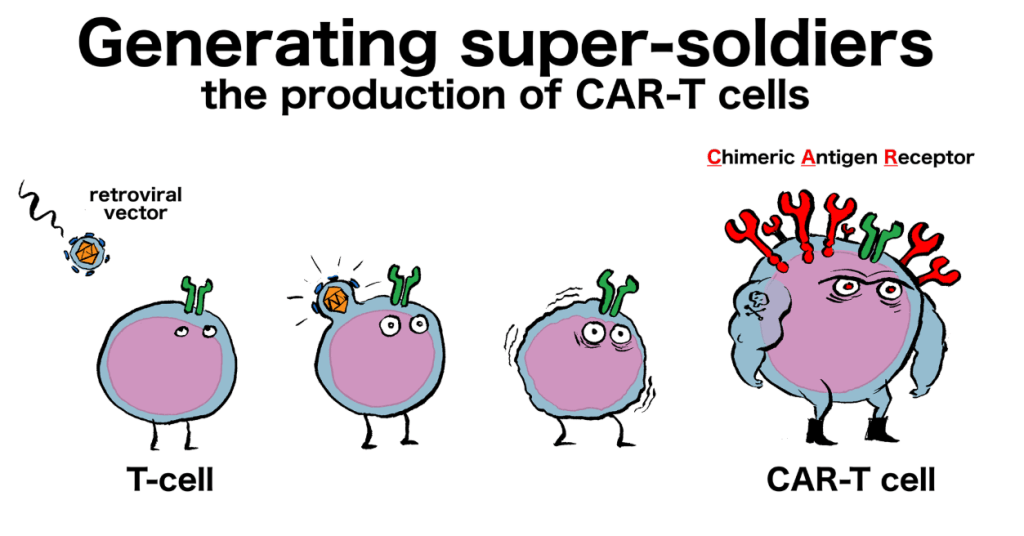
According to an article from Genetic Engineering and Biotechnology News, researchers from Baylor College of Medicine have reported their findings on an improved CAR T cell therapy commonly used to treat people with acute lymphoblastic leukemia (ALL). Acute lymphoblastic leukemia is a kind of cancer that primarily occurs in children and concerns white blood cells found in bone marrow and blood. It is an acute disease because it has a fast progression and can be detrimental. This therapy is often used alongside chemotherapy because chemotherapy may not be enough to combat this disease. CAR T cells, specifically those that consist of three prongs, are much more effective fighting against this cancer than those that only consist of one or two prongs. CAR stands for chimeric antigen receptors. The addition of prong(s) can increase the number of antigens that the modified T cell can recognize. This can lead to an attack on cancer cells found in the body. Moreover, researchers are able to use T cells from affected individuals and alter what proteins they have the ability to target by adding CARs. In this case, instead of only targeting CD-19, the altered T cell can recognize CD-20 and CD-22 as well. These are all located on leukemia cells. They would then reinfuse these cells back in the body so that they can find and target the cancer cells. Before, they only altered the T cell so that it could only target one of these proteins. If there is only one prong, then cancer cells have a higher chance of getting past T cell mechanisms. Since this therapy tinkers with white blood cells, a potential side effect of this therapy could be a decrease in the number of white blood cells in an individual’s body. In addition, this therapy may cost hundreds of thousands of dollars (a good estimate would be $400,000) if this therapy passes its trials.
Prior to reading this article, I was unfamiliar with the idea that people could alter other people’s T cells so that they have the ability to target proteins that only certain types of cells express. I realize now how important it is to be able to tweak any T cell so that it can detect the antigens that it needs to. As we learned in class, if T cells are not able to detect the antigen, they cannot induce mechanisms to kill the infected cell and activate B cells. It is nice to take a break from the COVID-19 news and read about major advances in medicine and treatment concerning other diseases. It gives me hope that there is a possibility that researchers and scientists will find a vaccine or other treatment that will help protect the public from the coronavirus.
In addition, according to an article from Frontiers in Immunology, T cell therapies are currently being investigated in human immunodeficiency virus (HIV) diseases as well. As mentioned in the name, the human immunodeficiency virus is the causative agent of this disease. This virus is known to attack macrophages and helper T cells. If the level of helper T cells gets too low, then the HIV disease may result in acquired immunodeficiency syndrome (AIDS). This research has occurred for a few decades by several people. However, researchers now report that cytotoxic (CD8+) T cells can possibly be modified so that they have a CAR that allows them to target HIV antigen(s). By reintroducing these cells into the body via infusion, the body can better find and fend off this virus so that the virus stops or slows down replication. They believe that this could work because people with a better ability to hold off the replication of HIV had stronger responses from their CD8+ T cells. While HIV-specific CD8+ T cells are still up in the air for HIV disease, it is worth taking a look at. Since it often does not have a prolonged existence after infusion, there may be recurring treatments that add up to hundreds of thousands of dollars (similar to the amount of money for CAR T cell treatment for leukemia). A possible side effect could be neurotoxicity because the dose of CAR T cells could affect the overall inner-workings of the body.
Learning about another way researchers have used or are going to use T cell therapy emphasizes the importance of T cells in how the body functions. I was not aware that it was possible for some people to contain the HIV replication better than others because of how their CD8+ T cells worked. I hope that researchers decide to add additional CARs to individual T cells, if they have not already, because it seems to be showing good results in the tests with trivalent CAR T cells in treating acute lymphoblastic leukemia. This is definitely a difficult subject to grasp in my opinion, but after putting much time and effort into reading and re-reading these articles, I have found a greater appreciation for the current workings of personalized medicine.
As always, stay home and stay safe! ❤

It is no question that the coronavirus has changed our world. Many individuals have decided to stay at home to flatten the curve, including myself. Non-essential businesses and schools have temporarily closed for the time being. If one good thing had to come from it, it is that it has united our world together to fight this spreading virus. Now more than ever, it is important to persevere and form a united front against this pathogen. Throughout the world, scientists and researchers are putting their minds to work as they try to find some sort of remedy. The race to find a vaccine for the coronavirus continues.
According to an article from ScienceDaily, researchers at the University of Pittsburgh School of Medicine are working hard to figure out a possible remedy that could potentially be used against this virus. Turns out, the time and effort that they have put in thus far might be paying off. From their work concerning SARS-CoV and MERS-CoV, they learned that immunity could be brought about if spike proteins were involved. They decided to develop these spike proteins in their laboratories. What is unique about this potential treatment is that it makes use of a microneedle array. It is essentially a patch that contains about 400 needles (don’t worry they are very small needles and consist of protein and sugar!). These needles act as a way for the spike proteins to get into the body via the skin. So far, the researchers have reported that the treatment does not induce any sort of pain. In addition, they have reported that antibodies against this virus (known as SARS-CoV-2) have been made in mice after having received this microneedle array. So far, this treatment has been labelled the PittCoVacc.
Like many people, I am fascinated by the dedication and commitment that these scientists, researchers, and healthcare professionals have put in at this time. It is a very overwhelming and confusing time in the world, but they have managed to put in everything they have got into this matter to help produce results that could be life-changing. In class, we learned that the spikes on enveloped viruses can be factors of virulence. If the individual is exposed to low levels of these spike proteins, then they are able to build antibodies that could fight off the actual virus. I am most intrigued by the way that this drug is administered to an individual. Prior to reading this article, I did not know that a drug could be administered through a microneedle array and how effective it would be. I really hope that this treatment continues to produce good results that would allow it to advance to the next stage.
In addition, according to an article from the National Institutes of Health (NIH), scientists at the National Institute of Allergy and Infectious Diseases, as well as individuals from Moderna Biotechnology Company, have put their brains together to come up with a possible vaccine that could help protect individuals from the coronavirus. Their potential vaccine revolves around messenger RNA, also known as mRNA. The researchers’ goal with this vaccine is to induce the expression of the virus’ spike protein in the body. In turn, this could help the body build immunity to this virus since it has already been exposed to a part of it. Since there have been successful tests in animals, the potential treatment has advanced to and is currently in Phase I of the clinical trials in humans. Individuals are given different doses of the drug. The drug development process has definitely been fast-tracked so that the researchers and scientists can get down to business and see if what they have been working on does indeed help protect individuals from SARS-CoV-2.
It is astonishing to hear and read about yet another potential vaccine that could treat individuals. It is interesting that both of the potential treatments from University of Pittsburgh School of Medicine and NIH utilize the spike proteins found on the virus. It emphasizes how crucial it is that the treatment targets that (or any) virulence factor. Because the process of developing the drug definitely advanced quickly, I wonder if there will be any repercussions to this. As someone who is interested in pharmaceutical sciences, learning about how scientists have decided to use their knowledge of viruses and vaccines past and present is what inspires me to work hard and continually involve myself in different opportunities that can further my knowledge in drug development.
It is a wonder to see how this world is adapting to the rapid changes and limitations that the effects of the virus have induced. While we may not all be scientists, we can all do our own part by staying at home, washing our hands, social distancing, and wearing masks. In the mean time, stay safe and stay healthy! ❤
Hi all! I hope you are all safe and well! The year 2020 has been nothing but chaotic and eventful. Just three months in and we have already mourned the loss of a basketball legend, been on the brinks of a possible World War 3, and now, are dealing with a global pandemic (and that’s just to name a few). At the moment, it is a very scary and uncertain time in the world, to say the least. It is more evident to me now that the world is constantly changing every day (even every second). It has definitely given me time to slow down, and reflect over everything that has lead up to this point in time. If you would like an accurate representation of how I feel right now, check out this tik tok/meme:
Coronavirus Tik Tok/Meme (“I can’t touch anything anymore.” TikTok, uploaded by Brent Rivera, 25 March 2020, https://vm.tiktok.com/GarwnK. Accessed 26 March 2020.)
Currently, I am at home in Raleigh with my family. My dad is working from home and my sister, who is a student in high school participating in a duel enrollment program, has been told to stay home as well. My mother, who is a homemaker, has been cooking up some hot meals for us to enjoy during this time, which I am very thankful for. Having a nice home-cooked meal somewhat helps normalize the situation and keeps me sane. We have been stocking up on a lot of food, especially healthy options, such as fruits, vegetables, and soups. In a way, I feel like our lives have somewhat turned into a math problem, especially with everyone going out and buying more produce and necessities than usual (I’m referring to you, toilet paper). I’m glad grocery stores are now putting restrictions on how much people can buy because some people may actually need these products and need them in stock. In addition, I have finally moved out of my dorm at UNC. Little did I know that the night of March 5th would be the last time I would sleep on my lofted bed in Carmichael Hall for the rest of the spring semester. I am very sad that I won’t be able to see my college friends for the rest of the semester, but I know it is for the best. The last official outing I had before I quarantined myself at my house (besides moving my stuff out from my dorm in Chapel Hill) was when I went to Jubala coffee shop with my best friend, Emma, on March 11th. Otherwise, I have been at home or taking walks around my neighborhood.
The idea of having online classes is a blessing and a curse, in my opinion. A blessing because I do not have to walk all over campus to get to my destinations, because everything I need is all in one place. However, sometimes, it is a challenge for me to learn at home because the thought of home gives me a sense of relaxation, instead of a study environment. Ever since I left for college, it has gotten harder and harder for me to study at home. By studying on a college campus, such as at the library, it forced me to study because everyone else there was studying as well. To combat this, I have decided to zoom call my peers in my classes and after going to “class”, we often discuss the material that the professor had went over. This way, we both hold each other accountable for learning the material. Moreover, this helps normalize things for me because it was something that I regularly did back on campus at the library with my classmates. I often think about how I decided to take a microbiology course during this specific semester, and that it has provided me with so much more knowledge about the world on a microscopic level. It has definitely allowed me to view this pandemic in a different lens than had I not decided to take this course during this semester. I am more than grateful for my professors that have worked so hard to make my learning experience as best as it could be despite the circumstances.
I am not only thankful for my professors, but also the healthcare workers that have worked their butts off to get to this point and are continuing to work day and night to help those who are ill. It is astonishing to see and hear about their resilience and perseverance on the front lines of this battle. I am glad people are now acknowledging and appreciating the work that these people do for our community. Like I mentioned in a previous post, health is the single most important aspect of life. Without a good health, people are prevented from accomplishing what they wish to pursue, even a simple everyday task. It is important now more than ever to keep ourselves healthy and practice good hygiene (which we should have already been doing!!).
Like the rest of us, I have been feeling overwhelmed from time to time since the beginning of March. Getting adjusted to learning from home, as well as knowing that there is a virus out there that is taking out a handful of people are two very stressful situations. I took the time to read up some helpful advice to maintain my stress level during this time. An article from Psychology Today proved very helpful to me. One of the pieces of advice that I got from it was to find ways to stay active, despite being in quarantine. I’ve learned to take walks every day as a way to establish a daily routine and get my steps in. It has definitely made me feel a lot better and allows me to get fresh air. I definitely recommend giving this a read!
If this pandemic has taught us anything, it has shown us that life is short and that we should continue to be kind and respectful to everyone, because we are all going through this together. It has also taught us to be mindful of how our own actions can affect other people. I know many of us, including myself, have been distancing ourselves from our elders because we do not want them to get sick. It sickens me to hear that some people care more about having fun and “having a good time” rather than protect themselves and their loved ones. To look on the bright side of things, it has given us time to catch up with people we have not spoken to in a while and spend time with our family and friends via online. Thinking like this helps keep me grounded and relaxed when I feel overwhelmed about the current situation. I hope you all stay safe and healthy, as well as practice good hygiene!! Take care everyone ❤
Amid this COVID-19 pandemic, let’s not forget about other prevalent diseases that are present in our world. Tuberculosis is a disease that falls into this category. As discussed in class, Mycobacterium tuberculosis commonly causes this disease. It contains mycolic acids on the surface of its cell. In addition, it is unique in that it does not fall victim to disinfectants and drying. There are two parts to this disease. The first part is known as latent tuberculosis infection (LTBI), which is essentially what the individual has after the first time he or she is infected. The immune system does not have the ability to get rid of all of the infectious bacterial cells the first time around because the cells are able to use the components of foamy macrophages, such as lipids, to their benefit and survive in the host. Individuals who go through this initial infection are not even aware that they have it because it is asymptomatic. Since this is a latent infection, it can come back as active tuberculosis, or commonly called tuberculosis disease. This development is especially dangerous to the lungs and have the ability to infect other parts of the body by travelling through the bloodstream.

According to the World Health Organization, it is crucial that preventive treatments for tuberculosis are put into place and carried out. It was reported that while efforts have been made to do this, there is still much work to be done on the global level. Around the year 2022, leaders wanted 24 million or more individuals who have yet to have active tuberculosis to receive preventive treatment. In order to increase the number of people who receive these preventive treatments, there have been several suggestions and approaches put into place. For example, the organization is focusing on giving the treatment to individuals who have been exposed to tuberculosis or even those who reside in an area with high transmission rates of tuberculosis. In addition, people who have HIV are recommended to get preventive treatments as well. Tests, such as interferon gamma-release assays (IGRAs) and tuberculin skin tests (TSTs), should be administered on people to determine if they have a Mycobacterium tuberculosis infection. A well-known preventive treatment is to take isoniazid each day for 6 months. Currently, preventive treatments that take less than 6 months are also highly supported, such as taking rifampicin each day by itself for 4 months.
I think I speak for everyone when I say that I’m glad that this is not another coronavirus article. I am glad that the World Health Organization is still taking the time to acknowledge other diseases that are present in our world. As mentioned in class, patients with HIV are more susceptible to this disease because they are immunocompromised. M. tuberculosis takes advantage of this situation by reactivating more easily. In addition, since a common way to become infected with this pathogenic bacteria is by inhaling them from the air, it is important for people who live in an area with people who test positive for the bacteria to get tested as well and get preventive treatment before the latent infection turns into active tuberculosis. I thought it was interesting that the World Health Organization has opened up to prevention methods that require the individual to take a medication for only a few months instead of those that last about 6 months or more. Since there is growing resistance to drugs, such as isoniazid and rifampin, I wonder if this played any role in that recommendation.
According to an article from U.S. News & World Report, researchers discovered a new potential way to administer the tuberculosis (TB) vaccine. When delivered through the I.V. (intravenous) route, the amount of bacteria present in the individual’s lungs is greatly decreased by the thousands. In addition, there was a reduction in levels of inflammation that was observed in the lungs. This research was conducted on mainly monkeys because the Mycobacterium tuberculosis infection in monkeys is similar to that of it in humans. The researchers also did additional research on the monkeys months following the administration of the vaccine intravenously. They discovered that there was still mainly little to no inflammation seen in the lungs. While these are important findings, the researchers also acknowledge that this still could be risky for humans because the chance for infection is relatively high and it is very challenging to deliver it intravenously.
The findings presented in this article are quite fascinating to me. As discussed in class, the tuberculosis vaccine, known as the BCG vaccine, is classified as a live attenuated vaccine. It is not commonly used in the United States due to its potential in giving false positives to tuberculin skin tests. This TB vaccine is typically administered in areas with a reported high number of tuberculosis cases. While it may not help the people of the United States directly, it is an important discovery because it has the potential of decreasing the number of childhood tuberculosis cases and the adverse side effects of the vaccine itself.
Despite today’s day and age, it is nice to hear about new discoveries being made about other diseases. It gives me hope that one day, researchers and scientists will be able to make a vaccine for the coronavirus. In the meantime, take care everyone! ❤

We often forget that microbes are present in more places than we can think of. Just as easily as they are found on different areas on Earth, microbes can also be easily transferred from one person to another. Moreover, some of these microbes, known as pathogens, are capable of causing diseases. That’s right folks – the coronavirus is not the only microorganism out there that can disrupt our bodily systems. Let’s take a break from talking about the coronavirus and focus on a different disease, namely a sexually transmitted disease known as genital herpes.
As discussed in class, genital herpes is a disease that brings about genital lesions on the body. Moreover, herpes simplex virus type 2 (HSV-2) normally brings about this disease. This virus is a member of the Herpesviridae family. In addition to HSV-2, herpes simplex virus type 1 (HSV-1) is also capable of causing this disease. However, the genital lesions that are caused by HSV-1 are less drastic than that brought about by HSV-2. It is important to note that both HSV-1 and HSV-2 consist of double-stranded DNA and an envelope, as well as have the capability of affecting the genitalia and mouth.
According to an article from the University of South Australia, researchers have discovered a way to transport an active ingredient in turmeric, known as curcumin, into cells in the human body. Derived from the turmeric plant, turmeric is known as a type of spice that is incorporated into dishes, such as curry. For all those curry lovers out there, it is known as the ingredient that adds a bitter flavor to the dish. The component, curcumin, is unique in that it aids in the reduction of swelling. By incorporating curcumin into very small nanoparticles, it is likely able to perform this function inside the human body. Specifically, it has the potential of decreasing the inflammation, or extent of blisters, that genital herpes can cause. In addition, scientists have mentioned that by ingesting this substance, it may lower the chances of the individual developing sexually transmitted infections as well. While there is still much research to be done on this topic, this treatment is becoming more and more of a reality and should not be overlooked.
Studies like these remind me of the fact that fruits and vegetables are not the only healthy items that humans can ingest. Moreover, herbs and spices, such as turmeric, can add nutritional value to our diets. That is why it is crucial to include a variety of foods in our daily lives! While it is important to find treatments for these diseases, it is also crucial to highlight prevention strategies that people could be following in order to lower the chances of getting infected with genital herpes. For example, individuals who practice sexual abstinence, or the practice of not engaging in sexual intercourse, have a very, very small chance of getting this disease. In addition, if you choose to be sexually active, by being involved in a monogamous relationship, you can reduce the likelihood of coming into contact with a sexual partner that has contracted genital herpes. In addition to being in a monogamous relationship, taking advantage of condoms that are coated with spermicide can help. However, it is important to note that condoms do not cover all of the areas of the genitalia that lesions can appear on.
In addition, according to a published article from The Lancet Infectious Diseases Journal, there seems to be a connection between the infection caused by HSV-2 and another virus: the human immunodeficiency virus, or HIV. The researchers compiled approximately 55 studies and analyzed each and every one of them to see what the chances of people with genital herpes obtaining HIV were. They reported that individuals who have genital herpes were three times more likely to be infected by HIV. Since genital herpes is a latent infection, it is going to cause more disturbances in the epithelial barrier. Since the barrier will not be able to fully prevent foreign microbes from entering, HIV will have an easier time entering the body. This highlights what researchers call the “cofactor effect” between these two viruses. Since immune cells will gather in the genitalia, HIV will have an easier time attacking these cells. Moreover, this means that individuals who are infected with HSV-2 probably have weaken immune responses and are more vulnerable to the virus than those who do not have any diseases. It is important to note that genital herpes can be more severe in those who are already infected with HIV as well.
It is important to see here that one problem can lead to another problem. Moreover, this information can contribute to why outbreaks or epidemics of either disease may occur. In addition, these findings highlight how the transmission and severity of the disease can be affected in detrimental ways when there is another disease involved. I believe that this reiterates the fact that being infected with any microbe that can cause disease can reduce the strength of your immune system. After everything we have learned in this class, it makes perfect sense that the studies that the researchers analyzed produced these results. Now more than ever, it is important to be cautious and knowledgeable on as much as you can concerning infectious diseases. By practicing safe and healthy habits, you can not only protect yourself, but also your loved ones as well. Like I mentioned before, it may be a microbes, microbes, microbes world, but that does not mean that we as humans are completely helpless!

To say that 2020 has been nothing but a whirlwind is an understatement. Unless you have been living under a rock for the past three months, concerns for the coronavirus disease, known as COVID-19, has swept not only the nation, but worldwide as well. From the time since spring break started for many undergraduate students in North Carolina, millions of people in the United States have frantically raced to stock up on supplies for their household. Most of these supplies revolve around cleaning products, such as disinfecting wipes and toilet paper. Moreover, even entertainment has been put on a halt, with many productions suspending filming for the time being and companies delaying movie releases in theaters. Schools and offices have requested that people learn and work from home, respectively. Many are acting this way as a precaution and appropriately social distancing themselves. To recap, let’s see, in more detail, what has transpired.
According to an article from The New York Times, what was known as an epidemic in China has now become a pandemic that has affected basically every part of the world. An epidemic characterizes an outbreak of a disease across a vast territory. Moreover, this means that within a particular set of time, there is an unusually large number of new cases (greater incidence). Back in January, more than 3,500 new cases of the disease were reported every 24 hours in China alone. When it became an epidemic in China, it was reported that individuals entering restaurants, offices, and even different neighborhoods had to have their body temperatures checked. In addition, the Chinese people had to set up “fever clinics.” These were places to perform different tests on people who had reported to display symptoms of the coronavirus disease. People who tested positive could not return home, as a precaution to avoid infecting family members. Now, only about 24 new cases are reported a day in the country (a massive decrease!).
As stated by the same article from The New York Times, on March 11th, the World Health Organization (W.H.O.) director officially declared that we were living amongst a pandemic. To clarify, a pandemic is an outbreak of a disease across different continents. In a way, it is describing the spread of an epidemic to different parts of the world. Moreover, basically every continent (with the exception of Antarctica) has reported cases of the coronavirus. As of March 11th, it was reported that since the beginning of the virus’ infectious journey, 114 out of the 195 countries have reported cases in the world. Moreover, this amounts to over 120,000 cases in just the span of about 3 months! It is interesting to note that epidemiologists have stated that at this rate, there seems to be a two-fold increase in total worldwide cases every week. Whether this trend continues to be a reality or not is dependent on the measures that not only the United States, but also other countries on other continents are taking. One of the purposes of naming this disease outbreak a pandemic is to increase public concern. Officials at W.H.O. stated that despite the rapid spread of the virus, there were still a few countries that took the situation very lightly, when they should have been preparing more for the unknown.
The lengths that the Chinese people have went to to contain this disease is something that should not go unnoticed by the rest of the people in the world. They have gone to drastic lengths to test people, as well as build additional places to attend to infected people. Healthcare professionals are working non-stop to tend to those infected and for someone like me who wants to become a healthcare professional one day, this is a very inspiring tale. Prior to reading this article, I was not aware that the Chinese people had had specific places for “fever clinics.” Specifically, the amount of testing that they have been conducting is quite astonishing, to say the least. I only hope that the United States will consider and be able to test as many people as possible. It just blow my mind that there are only about 24 new cases per day now. Nevertheless, there is still much work to be done. For a country that has a population of over 1 billion individuals, China has handled this situation better than I thought.
Hearing that what had started as an unknown virus in China has now become a pandemic is a very frightening progression. Not just one, not just two, but over 100 countries are now facing the very reality of this virus. The fact that this virus can be spread from one person to another without either person knowing can make it very hard to contain. Countries need to face the facts and take this matter seriously because it is affecting every aspect of people’s lives, not just their health. In order to cope and relieve some stress, a lot of people in my generation have created memes and tik tok videos. While this is no laughing matter, it is nice to know that we are all in this together while we are all quarantined at home.
According to an article from CNN, the numbers of people infected with the coronavirus have reached over 3,000 alone in the United States. While there is a little bit over 330 million people in the U.S., this is still an alarming number of people with the disease. What is interesting to note is that out of all of the U.S. states and territories, West Virginia has yet to have one reported individual who has the disease. In addition, experts have said that the virus has not reached its climax in the U.S. and that we should continue to take precautions regarding social distancing. President Donald Trump announced that the United States will not allow travelers coming from European countries to come back to the country. This group of countries now consists of Ireland and the United Kingdom. On top of that, the government stated that there should be more tests available to take over the next several weeks. It is important to note that it has been reported that there are not enough tests being currently administered and that even people who were symptomatic were not able to be tested as well. (Note: The information in this article is constantly updated to give the most accurate news to date.)
The past few days have been nothing but an information dump. The more I read about the coronavirus, the more stressed out I get about the subject. Back in January, it seemed like the reality of the coronavirus being present in the United States seemed far away, if not non-existent. Now, two months later, it is very possible that there are people infected with the virus within the county you live in. From the news and class, we know that this virus is spread through direct contact through respiratory droplets. An individual can form these droplets when he or she sneezes, coughs, and even talks. The virus can also be transferred onto fomites and then from fomites to a person. I am glad they are finally deciding to restrict travel between North America and Europe. If anything, I think this act was well overdue. In addition, it concerns me that there are not enough tests being carried out, especially in people who display symptoms. Like we learned in class, the first week of symptoms is one of the most contagious periods of a disease. These people need to know if they need to self-quarantine themselves in order to protect their family and friends. Even though there is still a lot of factors unknown concerning this disease, it does not mean that we should neglect the information that we have acquired so far. On the bright side, people are taking more advantage of disinfectants, such as soap, and learning how to properly clean their hands (if they have not already known how to). Since this is an enveloped virus, its transmission could be prevented with the use of disinfectants.
It is important that in these times of need, we stay calm and act rationally. Now, more than ever, it is crucial that people wash their hands frequently and avoid touching their faces in order to limit the spread of this virus. In addition, it is vital that we also practice proper social distancing. While these practices, especially the last two, are somewhat hard to control by nature, we need to be mindful of not only ourselves, but those around us who may be more vulnerable to the disease. All we can do is take it day by day and hope for the best. Stay safe and healthy out there guys! ❤
 Melanie Nguyen's Microbiology Blog